

Introduction: Embracing a Balanced Plant-Based Lifestyle in 2026
The landscape of nutrition has shifted dramatically. In 2026, the conversation is no longer about whether a plant-based diet is adequate, but how to execute it flawlessly for vibrant, sustained energy. We have moved past the era of sad salads and tasteless tofu. This year marks a tipping point where personalized nutrition technology, environmental awareness, and culinary innovation converge to make a balanced plant-based diet 2026 the gold standard for proactive health management.
Gone are the days when removing animal products automatically meant eating healthier. The modern approach focuses on abundance, not restriction. It’s about crowding out processed foods with a rainbow of nutrient-dense whole foods that fuel your mitochondria and stabilize your blood sugar. A balanced plant-based diet 2026 leverages the latest in food science to optimize gut health, mental clarity, and physical resilience. It acknowledges that while a vegan hot dog is technically plant-based, it doesn't hold a candle to a bowl of lentils and roasted vegetables when it comes to cellular health.
This guide is designed to cut through the noise. Whether you are a seasoned herbivore or making the transition this year, understanding the architecture of a truly balanced plate is crucial. We will move beyond macronutrient myths and dive into the specific strategies that prevent the common pitfalls of fatigue and nutrient deficiencies. By treating food as information for your genes, a balanced plant-based diet 2026 becomes a dynamic, enjoyable, and deeply personal journey toward longevity.
Why 2026 Is the Year to Go Plant-Based
The decision to adopt a balanced plant-based diet 2026 is backed by a convergence of unprecedented technological and scientific support. This year, artificial intelligence-driven nutrition apps have matured, offering real-time nutrient analysis simply by scanning your plate with a smartphone camera. These tools remove the guesswork, ensuring your plant-based transition is data-driven and safe. The integration of continuous glucose monitors (CGMs) with plant-based meal planning allows individuals to see immediate biometric feedback, proving in real time how fiber-rich meals stabilize energy levels far better than processed alternatives.
Furthermore, the global food supply chain has innovated in response to climate realities. In 2026, we are seeing a surge in regenerative agriculture practices that produce more nutrient-dense vegetables and legumes. The soil health crisis is being addressed, meaning the spinach and chickpeas on your plate contain higher mineral density than they did a decade ago. This ecological shift makes a balanced plant-based diet 2026 not just a personal health choice, but a participation in a planetary healing movement. It’s a year where the ethical, environmental, and personal health arguments have fused into a single, undeniable imperative for vitality.
What Does 'Balanced' Mean in a Plant-Based Diet?
In the context of a balanced plant-based diet 2026, "balanced" transcends the simplistic definition of eating your vegetables. It refers to a deliberate strategy of nutrient pairing and metabolic optimization. True balance means maintaining a specific ratio of complex carbohydrates, complete proteins, and healthy fats at every meal to prevent insulin spikes and provide sustained satiety. It is the art of combining foods in a way that compensates for the natural limitations of plant foods—specifically regarding amino acid profiles and mineral bioavailability.
A balanced approach in 2026 also recognizes the critical role of the gut microbiome. We now understand that balance isn't just about what you swallow, but what you digest. This means the diet must include a strategic rotation of soluble and insoluble fibers, resistant starches, and fermented foods to foster a diverse bacterial population. A balanced plant-based diet 2026 is one where 80% of the plate is whole, minimally processed foods, leaving 20% for fortified innovations and targeted supplementation. It’s a rejection of the "junk food vegan" trope and an embrace of a precision-based, holistic nutritional philosophy that honors the complexity of human biology.
The Core Nutrients for a Thriving Plant-Based Body
The beauty of a whole-foods lifestyle is the sheer density of vitamins and phytonutrients, but a truly balanced plant-based diet 2026 requires surgical precision when it comes to a handful of specific nutrients. Ignoring these is the primary reason some individuals feel a decline in energy after adopting the diet. This isn't a flaw of plant-based eating; it's a flaw in planning. The body is a complex biochemical machine that doesn't care about ethical intentions if the raw materials for cellular energy are missing.
In 2026, we have sophisticated insights into nutrient bioavailability. We know that simply eating a food doesn't guarantee absorption. Anti-nutrients like phytates and oxalates, naturally present in healthy staples like beans and spinach, can bind to minerals and block their uptake if not handled properly. Therefore, a balanced plant-based diet 2026 focuses heavily on preparation techniques—soaking, sprouting, fermenting, and strategic combining—to unlock nature’s pharmacy. The goal here is to build a body that thrives, characterized by thick hair, strong nails, clear skin, and unshakeable energy, all of which are signs of internal nutritional harmony.
The focus for the modern plant-based eater has shifted from calorie counting to nutrient tracking. We are looking at lysine intake for collagen production, choline for cognitive function, and iodine for thyroid health. However, the structural pillars—protein, iron, zinc, omega-3s, and the elusive B12 and D—remain the areas where a balanced plant-based diet 2026 must be meticulously curated. Mastering these core nutrients transforms the body into an efficient, fat-burning, muscle-preserving system that ages gracefully.
Protein Power: Best Plant Sources and How to Combine Them
The protein myth is finally dead in 2026, but the need for strategic sourcing remains vital. A balanced plant-based diet 2026 doesn't just count grams of protein; it prioritizes the full spectrum of essential amino acids, particularly leucine for muscle protein synthesis and lysine for tissue repair. Relying solely on grains can leave you short on lysine, while legumes can be lower in methionine. The solution isn't obsessive combining at every meal, but rather a diverse intake over the course of a day. Your body maintains a pool of amino acids, and eating a variety of sources ensures that pool stays full.
The powerhouse foods for a balanced plant-based diet 2026 include tempeh, a fermented soy product with superior digestibility, and seitan, a concentrated wheat gluten that offers a meaty texture. However, whole food sources provide the fiber and antioxidants that isolated proteins lack. Look to lupini beans, which boast one of the highest protein bioavailability rates in the legume family, and pumpkin seeds, which offer a solid protein punch alongside magnesium. A daily rotation of lentils, edamame, pistachios, and spelt provides the complex matrix required for optimal hormonal health and physical repair.
Iron and Zinc: Maximizing Absorption from Plants
Iron deficiency is often cited as a risk, yet a balanced plant-based diet 2026 can provide abundant non-heme iron if absorption is optimized. The key is to divorce iron consumption from inhibitors and marry it to enhancers. Tannins in tea and coffee, as well as calcium supplements, can significantly block iron uptake if consumed simultaneously. The most elegant strategy in 2026 is the "vitamin C synergy" approach. Adding a squeeze of lemon juice to a lentil soup, or enjoying a bell pepper salad alongside chickpeas, can increase iron absorption by up to six times, effectively overriding the anti-nutrient effects of phytates.
Zinc faces a similar absorption challenge, yet it is critical for immunity and skin health. A balanced plant-based diet 2026 leverages traditional food preparation to unlock this mineral. Soaking oats and legumes overnight activates phytase, the enzyme that breaks down zinc-binding phytates. Sourdough bread, a staple in 2026's artisan food revival, is a superior source of zinc compared to conventional whole wheat precisely because the long fermentation process pre-digests the anti-nutrients. Sprinkling toasted hemp seeds or zinc-rich cacao nibs on your morning smoothie bowl ensures you meet your daily needs without relying on synthetic isolates.
Omega-3 Fatty Acids: Flax, Chia, and Beyond
The conversion of alpha-linolenic acid (ALA) to the long-chain EPA and DHA is an inefficient process, making this a focal point of a balanced plant-based diet 2026. Ground flaxseed and chia seeds remain the foundational sources of ALA, but the "balanced" approach in 2026 acknowledges that we must lower the competition from omega-6 fats to make the conversion pathway work effectively. This means actively reducing the use of sunflower and safflower oils, which can dominate modern processed foods, and replacing them with monounsaturated-rich olive oil or avocado oil.
Beyond the seeds, a balanced plant-based diet 2026 embraces direct sources of DHA and EPA derived from algae. Algal oil supplements have become the standard recommendation for long-term neurological health and inflammation control. Walnuts provide a unique phytonutrient package alongside their ALA content, supporting endothelial function. The strategy is two-pronged: consume a tablespoon of freshly ground flaxseed daily for lignans and fiber, and consider a microalgae supplement to bypass the genetic limitations of ALA conversion, ensuring the brain and eyes receive the long-chain fats they require.
Vitamin B12 and D: Supplementation Strategies
In 2026, a balanced plant-based diet 2026 is non-negotiable in its reliance on supplementation for these specific vitamins, as they are not reliably sourced from unfortified plant foods. Vitamin B12, produced by bacteria, is crucial for nerve function and DNA synthesis. The modern strategy involves sublingual methylcobalamin, a form that bypasses potential absorption issues in the gut. Rather than weekly megadoses, the trend in 2026 favors a steady daily micro-dose, which mimics natural consumption patterns more closely and maintains steadier blood levels.
Vitamin D, the "sunshine hormone," remains a global concern regardless of diet, but a balanced plant-based diet 2026 sources it from lichen-derived D3. This is a crucial distinction, as plant-based D2 has historically been less effective at raising blood levels than animal-based D3. Lichen D3 offers a truly vegan, bio-identical form. In 2026, pairing this supplement with a source of fat and magnesium is the gold standard for optimizing calcium metabolism and immune resilience, especially for those in northern climates or working indoors.
Building Your Balanced Plant-Based Plate
Translating nutrient theory onto a dinner plate is where science meets satisfaction. A balanced plant-based diet 2026 is visually stunning, mechanically satisfying, and metabolically stabilizing. The plate model we advocate for in 2026 has evolved beyond the simplistic "grain and greens" paradigm. We now understand the critical role of volume eating for satiety, combined with strategic calorific additions of healthy fats to trigger the release of fat-soluble vitamins. The goal is to construct a meal that keeps you full for four to five hours without a crash, feeding your muscles and your gut microbes in equal measure.
The visual architecture of your plate matters. A balanced plant-based diet 2026 uses color as a proxy for phytonutrient diversity. A beige plate—pasta, bread, potatoes—is a missed opportunity. A vibrant plate of deep purples, bright oranges, and leafy greens signals a broad spectrum of antioxidants that fight cellular aging. However, building this plate isn't just about piling food randomly; it requires an understanding of caloric density. You can eat a massive, voluminous salad for very few calories, or a small handful of nuts for a dense energy punch. Balancing these extremes prevents the common pitfall of undereating on a high-fiber diet, which can lead to energy dips and hormonal disruption.
The Perfect Plate Formula: Vegetables, Grains, Legumes, and Fats
The 2026 formula for a balanced plant-based diet 2026 plate is a flexible framework designed to hit all macronutrient and micronutrient targets without logging every gram. Visualize your plate divided into three major sections. Half of the plate should be non-starchy, colorful vegetables—think broccoli rabe, rainbow chard, bell peppers, and sauerkraut. This provides volume, fiber, and phytochemicals. One quarter of the plate is dedicated to a complete protein source, primarily legumes. This could be a mound of chili beans, savory marinated tempeh, or a red lentil dal, ensuring the lysine and iron requirements are met.
The remaining quarter of a balanced plant-based diet 2026 plate is split between complex carbohydrates and essential fats. A fist-sized serving of a pseudo-grain like quinoa or buckwheat provides the sustaining energy and the methionine that legumes lack, creating an amino acid harmony. On top of this grain, or drizzled over the vegetables, sits a thumb-sized serving of a whole-food fat source, such as tahini, hemp seed pesto, or sliced avocado. This fat is not an afterthought; it is the carrier that unlocks the carotenoids in the vegetables and provides the long-burning fuel that prevents cravings an hour after eating.
Portion Sizes and Caloric Density Explained
Managing energy intake on a balanced plant-based diet 2026 requires a shift from weighing food to understanding caloric density. Because whole plant foods contain significant water and fiber, they take up more space in the stomach while providing fewer calories. This is a powerful tool for weight management, but it can inadvertently lead to undereating. A plate overflowing with raw kale and cucumber is incredibly high in micronutrients but woefully low in calories. If you find yourself constantly fatigued or losing your menstrual cycle, it’s often not a protein deficiency, but a simple lack of overall energy. The solution is to "compact" your nutrition by incorporating cooked foods, which shrink in volume, allowing you to eat more calories without discomfort.
To master a balanced plant-based diet 2026, categorize foods into tiers of caloric density. Non-starchy vegetables are the lowest; you can eat these virtually unlimited. Fruits and starchy root vegetables (sweet potatoes, beets) sit in the middle; they provide necessary glucose for thyroid function and athletic performance. Legumes and whole grains are higher still, forming the caloric backbone of your day. Finally, nuts, seeds, and avocados are the most calorie-dense; they must be measured loosely to avoid accidental weight gain, but never feared. A balanced 2026 approach uses these high-density foods as garnishes, flavor enhancers, and satiety triggers rather than the main volume of the meal, ensuring your energy intake perfectly matches your metabolic demands.
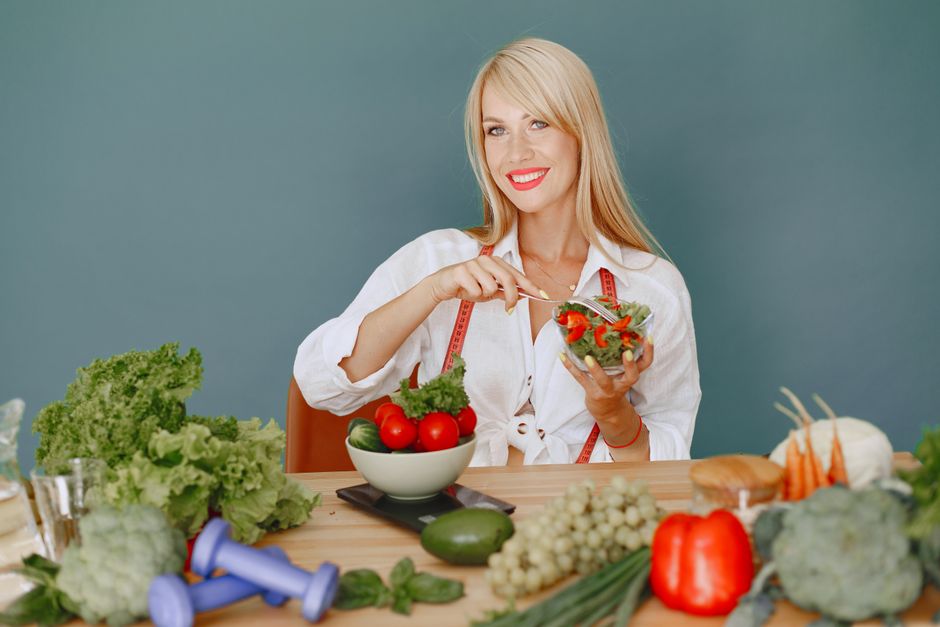
Plant-Based Meal Planning and Prep for Busy Lifestyles
Adopting a balanced plant-based diet 2026 doesn't mean spending your entire Sunday chopping vegetables. The key to sustainability is smart strategy, not marathon cooking sessions. In today’s fast-paced world, a well-structured plan prevents the 6 PM panic that leads to expensive takeout or nutrient-poor convenience foods. By looking at your week with a tactical lens, you can ensure you hit your protein targets, fiber goals, and micronutrient needs without feeling chained to the kitchen. The goal is to create a fluid system where ingredients overlap across meals, reducing waste and decision fatigue. Let’s break down how to make a balanced plant-based diet 2026 fit seamlessly into your calendar, keeping your energy high and your stress low.
Start by auditing your week. Identify the nights you have late meetings, social events, or simply low motivation. Those are the days you need a "reheat-and-eat" meal ready in under five minutes. The busier you are, the more critical a hybrid prep model becomes. This means preparing individual components separately rather than full meals, allowing you to mix and match flavors so you don't get bored by Wednesday. This modular approach is the cornerstone of maintaining a balanced plant-based diet 2026, as it allows you to adjust macronutrient ratios on the fly. If you had a heavy leg day at the gym, you can pile on extra marinated tempeh. If it’s a rest day, you might lean heavier on roasted vegetables and leafy greens. The flexibility of component prep ensures nutritional variety, which is essential for a thriving gut microbiome and sustained vitality.
Technology is your ally here. Use a meal-planning app or a simple shared digital calendar to map out your menu. This prevents the "I forgot to soak the cashews" crisis at 5 PM. A balanced plant-based diet 2026 leverages modern kitchen tech, from programmable pressure cookers to air fryers, to slash active cooking time. You should also standardize your shopping list. Identify the top fifteen nutrient-dense ingredients your household loves—like chickpeas, sweet potatoes, black beans, quinoa, and kale—and build your weekly blueprint around these anchors. Introducing one or two seasonal wildcards keeps the palate excited without overwhelming your grocery budget. When you have a clear blueprint, you stop buying aspirational vegetables that rot in the crisper drawer, saving significant money over the year.
Weekly Meal Prep Blueprint: Save Time and Money
A successful balanced plant-based diet 2026 relies on a "layered" prep schedule, not a single exhausting day. We split the workload into two micro-sessions: a 60-minute "power hour" on Sunday and a 20-minute "midweek refresh" on Wednesday. This ensures your greens stay crisp and your grains don't dry out. The Sunday session focuses on cooking long-lead items and washing produce, while the Wednesday refresh restores texture and flavor by re-seasoning dishes and prepping quick-cooking proteins like edamame or lentil patties.
Begin your Sunday power hour with the oven. Roasting a large tray of mixed vegetables—broccoli, bell peppers, red onion, and chickpeas tossed in smoked paprika—creates the flavor base for your week. While the oven runs, simmer a large pot of a neutral grain like farro or quinoa on the stove. Simultaneously, get your pressure cooker going with a pound of dried beans. This parallel processing is the secret to a time-efficient balanced plant-based diet 2026. By cooking beans from scratch, you avoid the sodium and potential BPA lining found in many cans, and you save roughly 60% of the cost. Immediately cool and store these components in clear glass containers at eye level in the fridge so they aren't forgotten.
Don't neglect the "flavor bomb" prep. A balanced plant-based diet 2026 lives and dies by its sauces. Dedicate ten minutes to blending a vibrant green herb sauce (cilantro, parsley, jalapeño, garlic, and lime) and whisking a creamy tahini-lemon dressing. Portion your greens by washing and spinning kale or romaine dry, then storing them with a paper towel to absorb excess moisture. This blueprint turns your fridge into a high-end salad bar. On Wednesday, simply refresh your grain bowls with a squeeze of citrus and a pinch of salt to brighten them, and perhaps roast a quick batch of tofu cubes to restock your protein supply for the final stretch of the week. This system eliminates the "what's for lunch?" dilemma entirely, protecting your time and wallet.
Batch Cooking Staples: Grains, Beans, and Sauces
The foundation of a balanced plant-based diet 2026 is a well-stocked pantry of batch-cooked staples. Treat grains, beans, and sauces as your culinary wardrobe basics—neutral enough to pair with anything, yet capable of carrying a meal when accessorized correctly. When batch cooking grains, look beyond plain white rice. Experiment with a "super grain" blend of quinoa, amaranth, and buckwheat groats. These pseudo-cereals offer a complete amino acid profile, making them a powerhouse for a balanced plant-based diet 2026. Cook them in a vegetable broth infused with a bay leaf and a strip of kombu seaweed to enhance mineral content and digestibility. Once cooked, spread the grains on a sheet pan to cool rapidly—this prevents clumping and preserves a distinct, chewy texture rather than a mushy mass.
Beans are the heart of satiety on a balanced plant-based diet 2026. The trick to perfect batch beans is a two-stage seasoning. Cook large batches of chickpeas or pinto beans from dry with only garlic and onion, keeping the bean "liquor" slightly under-seasoned. This neutral base allows you to pivot cuisines midweek: you can drain a portion to toss with Italian herbs for a Tuscan bowl, or simmer another portion with coconut milk and curry paste for an Indian-inspired stew. Freeze flat in zip-top bags for instant portioning. Lentils, however, should never be overcooked in the batch stage. Cook them until al dente so they hold their shape when reheated, preventing the dull, pasty texture that turns people off legumes. A balanced plant-based diet 2026 respects texture as much as taste.
Sauces are the lifeblood of variety. Batch-prepping three distinct sauces eradicates boredom. First, a creamy base: a cashew-less "cheese" sauce made from sunflower seeds, nutritional yeast, and roasted red peppers for a vitamin C boost. Second, a zesty vinaigrette: a lemon-tahini-maple syrup blend that balances fat and acidity. Third, a savory umami bomb: a miso-ginger-sesame dressing. These aren't just toppings; they are nutrient delivery systems. The fat in the tahini helps you absorb fat-soluble vitamins A, D, E, and K from the raw vegetables in your bowl, a crucial aspect of a truly balanced plant-based diet 2026. Store these sauces in squeeze bottles in the fridge door. When you have these three pillars—grains, beans, and sauces—ready to go, assembling a nutrient-dense, delicious meal becomes a 90-second operation, proving that vibrant health supports even the busiest schedule.
Delicious and Nutritious Plant-Based Recipes for Every Meal
Translating the theory of a balanced plant-based diet 2026 into a delicious reality requires recipes that hit the sweet spot between nutrition and craving. We are moving beyond the era of bland "health food" into a space where flavor leads and nutrients follow. A properly constructed plant-based plate should explode with contrasting textures, vibrant colors, and deep, satisfying umami. The following recipes are designed not just to fill you up, but to fuel a vibrant physiology. They prioritize the "Fab Four" of satiety—protein, fat, fiber, and greens—to keep blood sugar stable and mental clarity sharp. Whether you are a seasoned vegan or simply exploring more plant-forward eating, these dishes prove that a balanced plant-based diet 2026 is a celebration of abundance, not restriction. We will walk through a full day of eating, from the first sip of morning fuel to a comforting dinner that heals the body while pleasing the palate.
In 2026, we have access to a wider range of high-protein plant ingredients than ever before. Think tempeh with its natural fermentation benefits, hemp seeds packed with omega-3s, and lupini beans offering a staggering protein punch with minimal carbohydrates. The recipes below leverage these ingredients not as niche substitutes, but as the stars of the show. We focus on building flavor through technique: charring vegetables, blooming spices in oil, and balancing acidity. A balanced plant-based diet 2026 isn't about counting every calorie; it's about constructing meals that are so nutrient-dense and satiating that your body naturally self-regulates. Get ready to fill your kitchen with the aromas of toasting cumin, sizzling garlic, and caramelizing fruit. These are your new staples for a life of vibrant health.
Energizing Breakfasts: Smoothie Bowls, Overnight Oats, and Tofu Scrambles
Breakfast sets the metabolic tone for the day. A balanced plant-based diet 2026 requires a morning meal that breaks the overnight fast without spiking blood sugar. For a smoothie bowl, blend frozen cauliflower (you won't taste it) with a scoop of pea protein, frozen wild blueberries, a tablespoon of flaxseed, and unsweetened soy milk. The cauliflower adds creaminess and fiber while the protein and fat slow digestion. Top with a sprinkle of hemp seeds and cacao nibs for crunch. This bowl delivers anthocyanins for brain health and a full spectrum of amino acids to support muscle repair right from the start.
Overnight oats remain a hero for busy mornings, but they need a protein upgrade. Combine rolled oats with chia seeds, grated zucchini, and a generous dollop of silken tofu blended into the milk base. This savory twist on a classic boosts the protein content significantly without relying on sugary flavored powders. Grate in a fresh pear for natural sweetness and stir in a pinch of cardamom and sea salt. By morning, you have a grab-and-go parfait that supports gut health with both soluble and insoluble fiber. It’s a perfect example of how a balanced plant-based diet 2026 uses whole foods to engineer convenience.
For a savory weekend breakfast, a tofu scramble is essential. The secret to a non-soggy scramble is pressing the tofu and crumbling it into a hot, well-oiled cast iron skillet. Let it sear without moving for two minutes to achieve a golden crust. Season with black salt (kala namak) for an eggy flavor, turmeric for color, and nutritional yeast for B vitamins. Fold in sautéed spinach and sun-dried tomatoes at the end. Serve with a slice of sprouted grain toast and avocado. This plate provides a complete protein, healthy fats, and a dose of iron, keeping you full and focused until lunch without an energy crash.
Hearty Lunches: Grain Bowls, Wraps, and Hearty Salads
Lunch on a balanced plant-based diet 2026 should be a nutrient-dense anchor that prevents the mid-afternoon slump. Grain bowls are the ultimate vehicle for this. Start with a base of chilled, pre-cooked farro or sorghum—a grain high in resistant starch that feeds beneficial gut bacteria. Top it with roasted sweet potato wedges, massaged kale, and a generous scoop of herbed white beans. The key is the sauce: a creamy avocado-lime-jalapeño dressing ties everything together while providing the monounsaturated fats needed to absorb fat-soluble vitamins. This bowl is a fiber powerhouse, stabilizing energy levels for hours.
Wraps offer a portable solution without the blood-sugar crash of refined white bread. Use a whole-grain or almond-flour tortilla to increase the protein and fiber content. Spread a thick layer of edamame hummus across the wrap to act as a moisture barrier. Layer in crunchy julienned carrots, cucumber ribbons, baked marinated tempeh strips, and a handful of fresh mint and basil. Rolling it tightly creates a satisfying chew. This wrap is a complete meal in your hand, balancing the macronutrient profile perfectly for a balanced plant-based diet 2026. It travels well and doesn't require reheating, making it ideal for desk lunches or outdoor adventures.
Hearty salads must transcend the sad pile of limp leaves. A roasted cauliflower and chickpea salad with a warm za'atar dressing brings comfort to the lunch hour. Roast the cauliflower and chickpeas until deeply golden and crispy. Toss with chopped dates for sweetness, toasted pine nuts for richness, and a bed of arugula for a peppery bite. The warm oil from the za'atar dressing wilts the arugula slightly, creating a dynamic hot-cold contrast. This salad defies the stereotype that a balanced plant-based diet 2026 is raw and unsatisfying, proving that a lunch salad can be the most comforting meal of your day.
Satisfying Dinners: Curries, Stir-Fries, and Comfort Classics
Dinner is where a balanced plant-based diet 2026 gets cozy. A one-pot red lentil curry is the definition of healing comfort. Sauté onion, garlic, and ginger, then bloom cumin, coriander, and turmeric to release their fat-soluble medicinal compounds. Add red lentils, canned crushed tomatoes, coconut milk, and a cinnamon stick. As it simmers, the lentils break down into a creamy, protein-rich stew. Stir in handfuls of baby spinach at the end for iron and a squeeze of lime for brightness. Served over black rice, this dish provides a complete amino acid profile and powerful anti-inflammatory benefits.
A high-heat stir-fry is the fastest path to a nutrient-dense dinner. The art of a balanced plant-based diet 2026 stir-fry lies in the order of operations. Start by searing sliced tempeh or tofu in avocado oil until crisp and golden; remove it from the wok. Then, blast broccoli florets, snap peas, and shiitake mushrooms over extreme heat, allowing them to char slightly without turning to mush. Return the protein to the pan and coat everything in a glossy sauce of tamari, grated ginger, rice vinegar, and a touch of date syrup. The result is a restaurant-quality dish that takes fifteen minutes and covers your protein, cruciferous vegetable, and probiotic needs when topped with a spoonful of kimchi.
Comfort classics get a vibrant makeover in this year's kitchen. A lentil and mushroom shepherd's pie, topped with a creamy cauliflower-potato mash, is the ultimate crowd-pleaser. Cook brown lentils with finely diced cremini mushrooms, rosemary, and a splash of red wine for depth. The mashed topping, whipped with nutritional yeast and a touch of miso paste, bakes into a golden crust. This dish is the embodiment of a balanced plant-based diet 2026—it feels indulgent, satisfies deep hunger, and delivers a massive dose of fiber and phytonutrients. It proves that you can honor traditional comfort food cravings while deeply nourishing your body at the cellular level.
Navigating Social Situations and Dining Out on a Plant-Based Diet
Mastering a balanced plant-based diet 2026 within the sanctuary of your own kitchen is one thing; maintaining that equilibrium in the unpredictable outside world is another. Social connection is a vital pillar of health, and food is deeply intertwined with how we bond, celebrate, and comfort one another. The fear of being "difficult" or the anxiety of not finding suitable options often leads people to abandon their dietary intentions. However, with a slight shift in mindset and a tactical communication toolkit, you can navigate any potluck, holiday feast, or business lunch with grace and ease. The landscape in 2026 is more accommodating than ever, yet it still requires assertive kindness and proactive planning to ensure you aren't left nibbling on a side of plain lettuce.
The emotional component is just as important as the nutritional one. A balanced plant-based diet 2026 shouldn't lead to social isolation. It’s crucial to reframe the narrative from one of deprivation to one of exploration. When you approach a dinner party not as a minefield of off-limits foods, but as an opportunity to introduce loved ones to the vibrant flavors you love, the dynamic changes completely. The goal is to nourish your body without damaging relationships. This requires pre-event communication that focuses on abundance—"I’ll bring a stunning roasted vegetable tart to share!"—rather than restriction. By taking ownership of your needs and contributing generously, you become an asset to the gathering, not a burden, ensuring your balanced plant-based diet 2026 remains a source of joy, not stress.
How to Handle Family Gatherings and Holidays
Family gatherings are often steeped in tradition, where recipes carry the weight of nostalgia. Steering through these events while maintaining a balanced plant-based diet 2026 requires diplomacy and a proactive strategy. Never arrive empty-handed and hungry. Bring a show-stopping dish that can serve as a centerpiece entrée for you and a delicious side for others. A stuffed acorn squash with wild rice, cranberries, and pecans looks festive and ensures you have a complete, satisfying plate. This act of contribution shifts the focus from what you can't eat to the beautiful, seasonal food you can share, turning potential interrogation into curious admiration.
Communication is your most valuable tool. A week before the event, have a kind, private conversation with the host. Frame it around your enthusiasm for the gathering, not your dietary restrictions. Say, "I’m so excited for Thanksgiving dinner. I’m eating a plant-based diet these days, so I’d love to bring a hearty main dish and a dessert to share so you don’t have to worry about me. Would that be okay?" This instantly relieves the host's pressure. If Aunt Linda still pushes her famous butter-laden mashed potatoes, a simple "It smells incredible, but it doesn't agree with me" is a firm, vague, and polite boundary that doesn't invite debate. A balanced plant-based diet 2026 is a personal health choice, not a debate topic at the dinner table.
Focus on the connection, not the food. The core of the holiday is togetherness. Pile your plate with the safe items you recognize—plain steamed green beans, a baked sweet potato, the salad you brought—plus your own protein source. If options are truly scarce, have a quiet, backup plan like a protein bar in your bag to prevent hanger, but don't make a show of it. A balanced plant-based diet 2026 is about vitality, and that includes emotional vitality. By handling these situations with warmth and preparedness, you demonstrate that your lifestyle is a source of abundance, not absence, often inspiring curiosity in relatives who may notice your glowing skin and steady energy throughout the long afternoon.
Tips for Ordering at Restaurants and While Traveling
Dining out on a balanced plant-based diet 2026 is no longer the chore it was a decade ago, yet it still pays to be a savvy menu detective. Before choosing a restaurant, scan the menu online. Look for cuisines that naturally lean plant-centric, such as Ethiopian, Middle Eastern, Thai, or Indian. These cultures have mastered the art of legumes, grains, and spices, making it easy to construct a nutrient-dense plate. When you arrive, don't be shy about deconstructing the menu. A balanced plant-based diet 2026 often requires building a custom meal from the side dishes. Combine a side of quinoa, a side of roasted vegetables, a side of chickpeas, and a drizzle of olive oil. This "sides hack" almost always results in a cheaper, healthier, and more varied plate than a modified entrée.
Communication with the server is key, but clarity is kindness. Instead of saying "I'm vegan," which can mean different things to different kitchens, be specific about your needs for a balanced plant-based diet 2026. Say, "I’d like the vegetable stir-fry, but can the chef cook it without butter or fish sauce? Vegetable oil and tamari are perfect." Asking if the chef can add extra tofu or nuts for protein ensures your meal sustains you. If you're at a business dinner and don't want to draw attention, call the restaurant ahead of time to discuss options. This stealthy prep allows you to order confidently off the menu without a lengthy negotiation at the table, keeping the focus on the business at hand.
Travel requires a portable pantry. A balanced plant-based diet 2026 on the road relies on a few compact, shelf-stable staples. Pack single-serve packets of nut butter, protein powder, instant oatmeal, and a shaker

Common Pitfalls and How to Avoid Them for Long-Term Success
Transitioning to a balanced plant-based diet 2026 is an exciting step toward vibrant health, but like any lifestyle change, it comes with potential stumbling blocks. Many enthusiastic beginners start strong only to find themselves fatigued, craving old foods, or relying on convenience products that undermine their goals. Understanding these common pitfalls before they happen is the best way to ensure you build a sustainable, nourishing way of eating that lasts for decades. The key is not perfection but awareness and preparation. When you know what to watch for, you can navigate around obstacles with confidence and keep your body truly thriving on plants.
One of the most common mistakes is approaching this lifestyle as a temporary diet rather than a permanent shift in eating patterns. People who view it as restriction often end up feeling deprived and eventually rebound to old habits. Instead, focus on abundance and all the colorful, delicious foods you get to enjoy. Another frequent error is not eating enough calories, especially when coming from a standard diet where foods were more calorie-dense. Plants are naturally high in fiber and water, which fill you up on fewer calories, so you genuinely need to eat larger volumes to meet your energy needs. Pay attention to your hunger signals and don't be afraid to enjoy generous portions of whole plant foods.
Social situations can also trip people up when they haven't planned ahead. Showing up to a barbecue or family dinner with no plant-based options can leave you hungry and tempted to abandon your goals. The solution is simple preparation: bring a hearty dish to share, eat a small meal beforehand, or check restaurant menus in advance. Over time, friends and family usually become supportive, but those early months require some strategic thinking. Let's explore the two most significant pitfalls that even experienced plant-based eaters sometimes face, along with practical strategies to overcome them.
Overreliance on Processed Vegan Foods
Walk into any grocery store in 2026 and you'll find an explosion of plant-based convenience foods that simply didn't exist a decade ago. Vegan burgers that bleed, artisan nut cheeses, ready-made frozen meals, and egg replacements line the shelves in abundance. While these products can be helpful transition tools and occasional treats, leaning on them too heavily is a recipe for poor health outcomes. Many of these items are still highly processed, packed with refined oils, isolated proteins, sodium, and additives that don't support long-term wellness. A diet centered on these foods is technically plant-based but far from balanced or nourishing.
The problem with processed vegan foods goes beyond just missing nutrients. These products are engineered for hyper-palatability, hitting the same bliss points that make standard junk food so addictive. You might find yourself craving them more frequently, crowding out the whole foods your body genuinely needs. Additionally, the environmental footprint of heavily processed items is considerably higher than simple beans and grains, diminishing one of the ethical benefits of eating plant-based. The packaging waste alone from individually wrapped burgers and cheese slices adds up quickly.
So how do you enjoy the convenience without falling into the processed food trap? Think of these products as the supporting cast, not the stars of your plate. Build every meal around whole plant foods first: legumes, whole grains, vegetables, fruits, nuts, and seeds. Then, if you want to add a sprinkle of store-bought cheese or a single plant-based sausage to round things out, do so mindfully. Reserve the highly processed items for weekends, social gatherings, or those exceptionally busy days when cooking from scratch isn't realistic. When you do buy packaged foods, read ingredient labels carefully and look for short lists with recognizable whole food ingredients rather than long strings of isolated starches and proteins. Your body will thank you with better energy, digestion, and overall health.
Ignoring Micronutrient Needs and Signs of Deficiency
A well-planned balanced plant-based diet 2026 can meet all your nutritional requirements abundantly, but the emphasis is on well-planned. Simply removing animal products without understanding which nutrients need special attention can lead to deficiencies that sap your energy and health over time. The body sends clear signals when something is lacking, but these whispers are easy to dismiss as just stress or aging. Learning to recognize these signs and knowing which supplements to consider is essential for thriving on plants for the long haul.
Vitamin B12 is the non-negotiable supplement for anyone eating fully plant-based. This nutrient, made by bacteria in soil rather than plants or animals themselves, is critical for nerve function and red blood cell formation. Deficiency can manifest as persistent fatigue, tingling in hands and feet, brain fog, and even mood changes. Because B12 stores deplete slowly over years, you might not notice the gradual decline until significant damage has occurred. A regular sublingual supplement or fortified foods like nutritional yeast and plant milks are simple, effective solutions that should be part of your daily routine without exception.
Iron is another nutrient worth watching, particularly for menstruating individuals. Plant iron, called non-heme iron, is less readily absorbed than the heme iron from animal sources, but you can dramatically boost absorption by pairing iron-rich foods like lentils, spinach, and pumpkin seeds with vitamin C sources such as bell peppers, citrus, or strawberries. Signs of low iron include unusual fatigue, pale skin, shortness of breath during normal activities, and brittle nails. If you suspect deficiency, a blood test is the only way to confirm and guide appropriate supplementation, as excess iron can also be harmful.
Omega-3 fatty acids, specifically the long-chain EPA and DHA forms typically associated with fish, deserve attention too. While the body can convert some short-chain ALA from flaxseeds, chia seeds, and walnuts into these longer forms, the conversion rate is limited and varies between individuals. Low omega-3 status may show up as dry skin, poor concentration, joint discomfort, or low mood. An algae-based DHA and EPA supplement provides a direct, sustainable source without any fish involved. Finally, pay attention to iodine for thyroid health, zinc for immune function, and vitamin D if you get limited sun exposure. Regular blood work every year or two can catch imbalances before they become symptomatic, giving you peace of mind that your diet is truly supporting vibrant health.
The Environmental and Ethical Impact of a Balanced Plant-Based Diet
Choosing a balanced plant-based diet 2026 isn't just an investment in your personal health, it's a powerful vote for the kind of world you want to live in. The food choices we make three times a day ripple outward, affecting land use, water systems, climate stability, and the lives of countless animals. Understanding this broader impact often provides the motivation to stick with plant-based eating even when convenience or cravings tempt you otherwise. When you see your plate as connected to something larger, every meal becomes meaningful.
From an environmental perspective, the data supporting plant-based eating has only grown stronger heading into 2026. Animal agriculture remains a leading driver of deforestation, particularly in biodiverse regions like the Amazon where land is cleared for cattle grazing and feed crop production. A single pound of beef requires approximately 1,800 gallons of water when you account for the water needed to grow feed crops over the animal's lifetime. In contrast, pulses like lentils and chickpeas use a fraction of that water while actually improving soil health through nitrogen fixation. The greenhouse gas reduction potential is equally striking, with research consistently showing that even the most sustainable animal products generate more emissions than plant proteins.
What makes a balanced plant-based diet particularly impactful is the emphasis on whole foods and minimal processing. Choosing dried beans over packaged meat alternatives, local seasonal produce over imported out-of-season fruits, and bulk bin staples over individually wrapped snacks all compound the environmental benefits. Reducing food waste is another critical angle, and plant foods are generally more forgiving in this regard. Vegetable scraps become broth, overripe bananas transform into nice cream or baking, and leftover grains reinvent themselves as next-day salads. This approach honors the resources that went into growing your food.
The ethical dimension resonates deeply with many who adopt this lifestyle. Modern animal agriculture operates on a scale and with methods that are increasingly difficult to reconcile with values of compassion. Even on so-called higher welfare farms, animals are still commodities subject to practices like early weaning, transport stress, and slaughter at a fraction of their natural lifespan. A plant-based diet simply sidesteps these systems entirely, aligning daily actions with the principle of causing the least harm possible. In 2026, with the availability of delicious plant alternatives and comprehensive nutritional knowledge, this choice has never been more accessible or rewarding.
Final Thoughts: Your Journey to Vibrant Health Starts Today
Embarking on a balanced plant-based diet 2026 is so much more than changing what's on your plate. It's a gradual unfolding into a lifestyle that honors your body, the planet, and all the creatures we share it with. The beauty of this approach is that it meets you exactly where you are. Whether you start with one fully plant-based day per week or dive in completely, every step toward more plants and fewer animal products counts. There is no perfection required, only a willingness to keep learning, trying new foods, and listening to your body's feedback along the way.
What often surprises people most is how this way of eating transforms their relationship with food entirely. The pressure of restrictive dieting falls away when you focus on adding abundance rather than subtracting pleasure. Your palate begins to change, appreciating the subtle sweetness of roasted vegetables and the satisfying creaminess of blended cashews in ways that processed foods never allowed. Cooking becomes a creative act rather than a chore, an opportunity to play with colors, textures, and flavors from cuisines around the world. Meals become something you look forward to preparing and sharing, not just something you grab mindlessly between obligations.
The knowledge you've gained about avoiding common pitfalls, meeting your micronutrient needs, and understanding the wider impact of your choices gives you a solid foundation. But the real teacher is your own lived experience. Pay attention to how your energy shifts throughout the day, how your digestion feels, how your skin looks, and how your mood stabilizes when you're consistently nourishing yourself with whole plant foods. These personal results will anchor your commitment more firmly than any external advice ever could. Trust the process, stay curious, and be kind to yourself on the days when things don't go as planned. Your journey to vibrant health isn't a straight line, but every meal is a fresh opportunity to choose nourishment, compassion, and vitality. Welcome to the most delicious chapter of your life.


0 Comments